Search engine marketing lead generation combines paid search (SEM or PPC) for fast visibility with SEO for lasting traffic. Results depend on a clear offer, a focused landing page, accurate conversion tracking and quick follow-up, so test with a small budget and scale only what the data supports.
- 1Search engine marketing (paid) brings faster visibility; SEO builds a lasting base. Most businesses benefit from both.
- 2Lead quality depends on landing page clarity, offer and follow-up speed, not only on traffic.
- 3Track every lead source properly, or you will not know which spend is working.
- 4Start with a small, well-measured budget and scale only what the data supports.
Ranking well in search results means little if those visitors never become customers. Traffic alone isn't the goal, conversion is. Every campaign should be built around this principle: visibility should always lead somewhere measurable, a form submission, phone call, or purchase.
Search engine marketing vs organic SEO
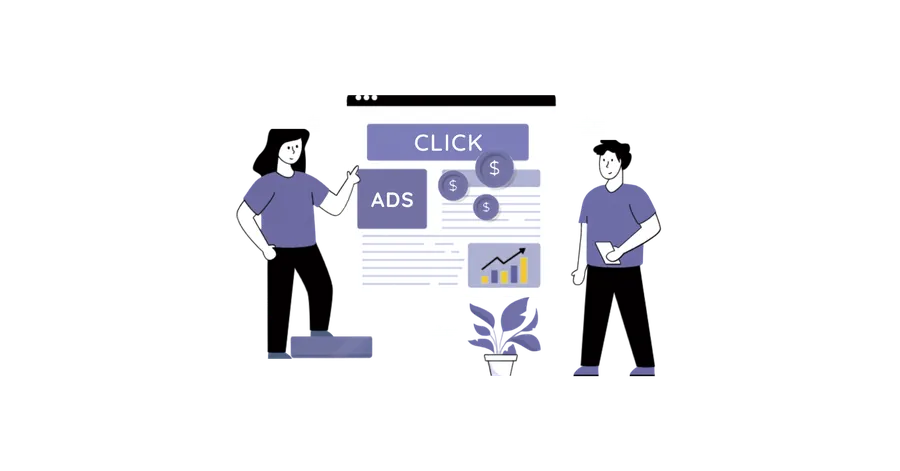
Search engine marketing typically refers to paid search advertising, appearing instantly at the top of results for targeted keywords, while organic SEO builds visibility over time without ongoing ad spend. Paid search works well for immediate, high-intent leads, especially around competitive keywords where organic ranking would take months or years.
Building a marketing funnel
Effective search engine marketing doesn't stop at rankings, it maps content and keywords to each stage of the buyer journey. Top-of-funnel content targets broad informational searches, while bottom-of-funnel pages target high-intent, commercial keywords closer to a purchase decision.
Optimizing landing pages for lead generation
Driving traffic through paid or organic search means nothing without a landing page designed to convert. Clear headlines, concise forms, trust signals like reviews and certifications, and a single obvious call-to-action all significantly improve lead generation. Test different page elements methodically, headline wording, form length, and button placement.
Using keywords strategically
Effective keyword research goes beyond search volume, it identifies genuine buyer intent. A keyword like 'best plumber for emergency repairs' signals far higher purchase intent than a broad, informational term, and should be prioritized accordingly.
Tracking and attributing leads accurately
Without accurate tracking, it's impossible to know which efforts are actually driving leads. Set up proper conversion tracking for form submissions, phone calls, and chat interactions, and tag campaigns individually so you can attribute results to specific keywords and channels.
Nurturing leads after initial contact
Generating a lead is only the first step, nurturing that lead through email follow-up, retargeting ads, and timely sales outreach significantly increases the odds of conversion. Many businesses lose valuable leads simply by failing to follow up quickly or consistently.
A lead generation checklist before you spend on ads
- One clear offer per landing page, in the customer's own words.
- Fast, simple contact options: a short form, click-to-call and WhatsApp where customers expect them.
- Conversion tracking for calls, forms and chats, tested end to end.
- A follow-up process: someone responds to enquiries quickly and consistently.
- Negative keywords and location settings to avoid wasted clicks.
Using SEO and paid search together
Paid search is useful for testing which keywords and messages convert. Those findings can then guide SEO content, so the organic work targets terms that already bring enquiries. Over time, strong organic pages reduce reliance on paid clicks for the same intent, while ads keep covering high-value, competitive or time-sensitive searches. This combination is more resilient than depending on either alone. For faster leads while SEO builds, hire a Google Ads expert in Nepal.
Be realistic about results
Lead volume and cost per lead depend on your industry, location, competition, offer and sales process. I do not promise specific numbers, and you should be cautious of anyone who does. What a good process can promise is clear tracking, regular testing and honest reporting, so decisions rest on data.
To discuss search and lead generation for a business in Nepal, see my SEO expert in Nepal page. For UAE businesses, my SEO expert in Dubai page explains the approach.
What is search engine marketing lead generation?
Search engine marketing (SEM) usually means paying for ads on search results, while SEO earns organic visibility. Lead generation is the process of turning those visitors into enquiries, calls or sign-ups. Together they form a SEM strategy that balances speed and durability.
How AI search changes lead generation
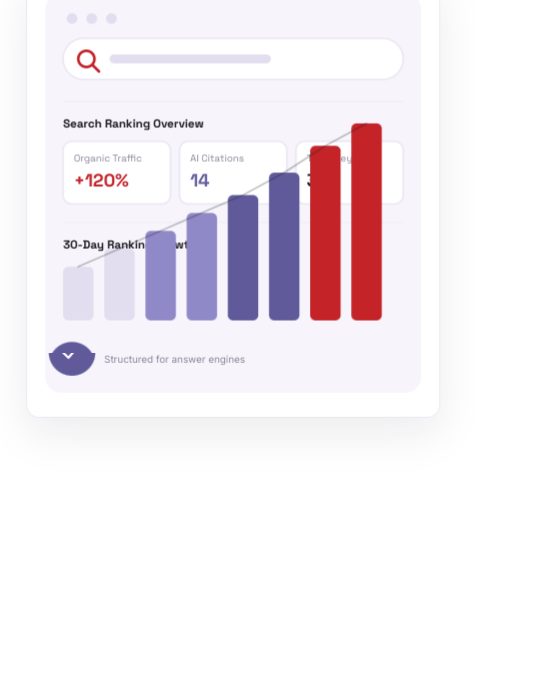
More people now ask AI assistants for recommendations before they click anything. Brands that publish clear answers, credible author details and structured data can be quoted in those answers, which supports lead generation even without a click. Treat AI search as an extra discovery channel alongside Google Ads lead generation and organic search.
A simple funnel for PPC lead generation
- Intent keywords: target searches that show clear buying or enquiry intent.
- Message match: the ad promise matches the landing page headline.
- Short form or direct contact: remove friction with click-to-call or WhatsApp where relevant.
- Conversion tracking: measure calls, forms and chats from each campaign.
- Follow-up: respond fast and log every lead with its source.
How to lower cost per lead without cutting quality
Improve relevance before raising budget: refine keywords, add negative terms, tighten locations and improve landing page clarity. Test one change at a time and review after enough data has accumulated. For B2B lead generation, qualify leads with one or two simple questions on the form so your team spends time on serious enquiries. Be realistic: results vary by industry and competition, and no honest provider can promise a fixed cost per lead.
A 30-day lead generation action plan
Use this order to improve results without wasting budget.
- Week 1: set up conversion tracking for calls, forms and chats, and test it end to end.
- Week 2: choose a small set of high-intent keywords and write ads that match one landing page.
- Week 3: review search terms, add negative keywords and simplify the form or contact method.
- Week 4: compare cost per lead and lead quality, then decide what to scale, pause or test next.
- Always: reply to every lead quickly and record the source in a simple sheet or CRM.
The bottom line: search engine marketing lead generation succeeds when intent, offer, landing page, tracking and follow-up work together. Fix the weakest link first, test steadily and judge success by qualified leads and customers rather than clicks. Pair paid search with SEO and AI-ready content so your visibility does not depend on a single channel.
Conclusion
True success in search engine marketing isn't measured by rankings or clicks alone, it's measured by consistent, quality lead generation that grows your business. Combine smart keyword research with conversion-focused landing pages to turn visibility into revenue.
If you want this handled for you, see our Google Ads service in Nepal page. For the official guidelines behind this approach, see Google Ads Help Center at support.google.com/google-ads.
Frequently asked questions
Related searches and topics
Need help applying this in your market?
Sources and further reading
This guide reflects my own hands-on experience and Google's published guidance at the date shown. Search changes, so check official documentation for the latest rules. Results vary by business and market; nothing here is a guarantee.
Editorial note: I write these guides from hands-on client work and Google's public documentation, and I update them when guidance changes. I do not accept payment for placements and I do not promise rankings or revenue.